Do You Need Stump Grinding After Tree Removal in Huntsville, AL
Evan
July 15, 2026
Tree removal can feel like the big finish.
The crew comes in, the unsafe tree comes down, the limbs are hauled off, and suddenly the yard feels open again. Then you look down and remember the one thing still sitting there.
The stump.
Some homeowners do not mind a stump at first. They tell themselves they will work around it. Maybe they will put a planter on it. Maybe they will let it rot naturally. Maybe they will get to it later.
But later has a way of turning into years.
That old stump starts catching the mower. Grass will not grow right around it. Shoots may pop up. Bugs may move in. The spot looks unfinished. And if the tree was removed because of roots, storm damage, or a safety issue, leaving the stump behind can keep the yard from fully recovering.
So, do you really need stump grinding after tree removal in Huntsville?
The honest answer is this: not every stump has to be ground immediately, but in most yards, stump grinding is the cleanest and most practical way to finish the job.
Paul Bunyan Tree Service provides tree removal, stump grinding, tree trimming, storm cleanup, and full tree services in the Huntsville area. Their site describes stump grinding as the final step in complete tree removal, which is exactly how most homeowners should think about it.
- What stump grinding does after tree removal
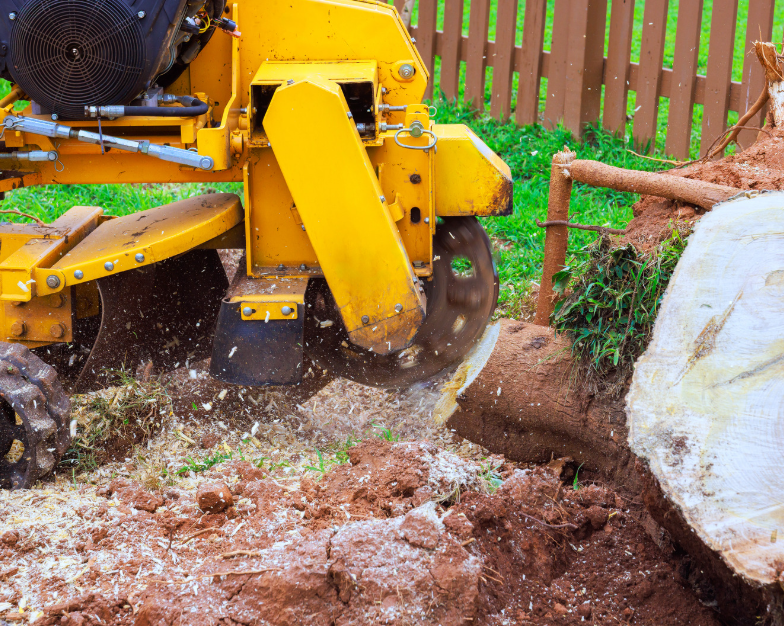
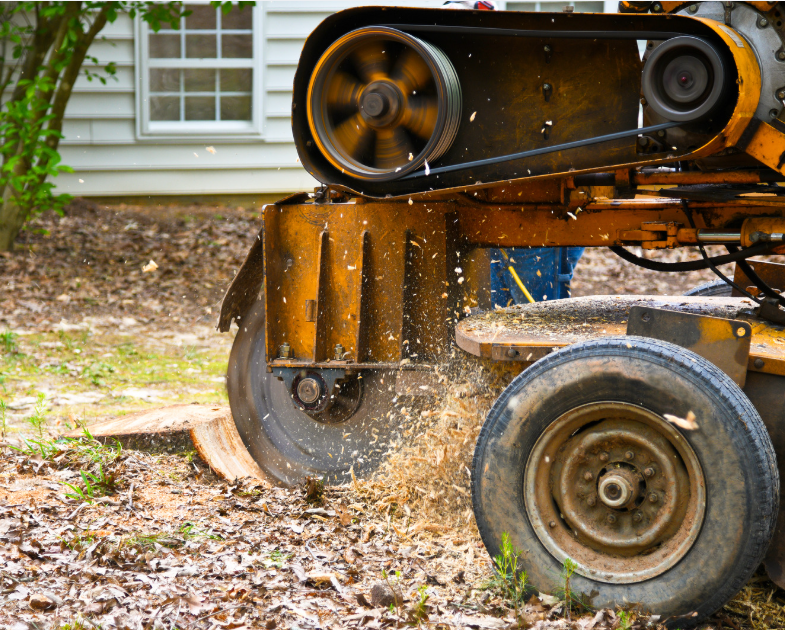
Stump grinding removes the visible stump by grinding it below the surface of the soil. It does not usually mean digging out the entire root system. Instead, the grinder cuts the stump down into small wood chips so the area can be leveled, cleaned up, and used again.
Paul Bunyan Tree Service explains that their stump grinding service includes assessing the stump, grinding below the surface, and cleaning up the area after the work is done.
That process matters because a cut stump is still a physical obstacle. It still takes up space. It still affects mowing, landscaping, and how finished the yard looks.
Tree removal gets the tree down. Stump grinding helps give the yard back.
- Why homeowners often skip stump grinding at first
A lot of people leave the stump because they are trying to save money or because they do not realize how annoying it will become.
That makes sense in the moment. Tree work is already a big decision. If the hazardous tree is gone, the stump may not feel urgent.
But once the crew leaves and real life starts again, the stump becomes harder to ignore.
You notice it when:
- You mow around it
- Kids trip near it
- Weeds grow around it
- It makes the yard look unfinished
- You want to plant grass
- You want to fix a fence or walkway
- You want to landscape the area
- You realize it is right where you want usable space
The stump may not be dangerous like a leaning tree, but it is still in the way.
- When stump grinding is definitely worth it
You want the yard to look finished
This is the simplest reason.
A stump can make even a clean tree removal job feel incomplete. Grinding it down gives you a flatter, cleaner area that blends into the rest of the yard much better.
If the tree was in the front yard, close to the driveway, or near the entrance of the home, stump grinding is usually worth doing sooner rather than later.
The stump is in a mowing area
A stump in the middle of a lawn is frustrating.
You have to mow around it. Weed eat around it. Watch for raised roots. Try not to hit it with the mower. Over time, the grass around the stump usually gets messy because it is hard to maintain evenly.
Grinding the stump makes normal lawn care easier.
The stump creates a trip hazard
Low stumps can be easy to miss, especially once grass or leaves grow around them.
That can be an issue near walkways, play areas, patios, rental properties, and yards where kids or visitors are regularly outside.
You want to replant or landscape
If you want to plant grass, install a bed, place sod, repair hardscape, or create a cleaner outdoor space, the stump needs to be handled first.
Southern Living notes that after stump removal, debris should be removed and the hole refilled with well draining, nutrient rich soil, and that the soil may settle over several weeks and need additional soil.
That is helpful to know because stump grinding is not just about removing the stump. It is also about preparing the space for what comes next.
The tree may send up new shoots
Some trees are persistent. Even after they are cut down, shoots can come up from the stump or roots.
Southern Living explains that if the roots are not removed, some trees can send up new shoots and reestablish growth.
Stump grinding helps reduce that problem because it removes the main stump tissue below the surface.
You had the tree removed because of roots or property damage
If roots were lifting a sidewalk, cracking a driveway, pushing a fence, or making the yard hard to use, leaving the stump can make the job feel unfinished.
Grinding the stump will not magically remove every root underground, but it can help clear the main obstacle and make repairs or restoration easier.
- When you might leave a stump temporarily
There are a few situations where homeowners decide to wait.
Maybe the stump is far back in the woods. Maybe it is nowhere near the house, driveway, lawn, or walkway. Maybe the budget is tight and the immediate priority was removing a dangerous tree.
That is understandable.
But even then, it helps to know what you are choosing. A stump left in place may take many years to break down naturally. Southern Living notes that a hardwood stump can take up to 20 years to rot naturally, depending on conditions, while softwood stumps may still take years.
So “let it rot” is usually not a quick plan. It is a long wait.
- Stump grinding vs digging out the stump
This is where homeowners sometimes get confused.
Stump grinding and full stump removal are not the same thing.
Stump grinding
Stump grinding grinds the stump below the surface. It is usually faster, less disruptive, and more practical for normal yards.
Best for:
- Lawn restoration
- Mowing areas
- Front yards
- Stumps near landscaping
- After normal tree removal
- Homeowners who want the stump gone without major excavation
Full stump removal
Full stump removal means digging out the stump and more of the root system. This can be more disruptive and may require heavier equipment, soil replacement, and grading.
Southern Living explains that full removal or excavating the root system is an extensive project that usually requires heavy equipment, soil replacement, and regrading.
For most Huntsville homeowners, grinding is enough. Full removal is usually only needed when there is a construction reason, major hardscape work, or a specific landscaping plan that requires deeper clearing.
- Can stump grinding hurt underground utilities
Any time work happens near the ground, underground utilities are worth thinking about.
Alabama 811 explains that 811 is the national call before you dig number, and its guidance says submitting a ticket is the first step before digging or excavation activity.
If a stump is near utility lines, irrigation, lighting, gas lines, water lines, or other underground features, make sure that is discussed before the work starts.
A stump near the middle of an open lawn is different from a stump near meters, utility boxes, sidewalks, or irrigation heads.
- What happens to the wood chips
After stump grinding, you usually end up with a mix of wood chips and soil.
Some homeowners leave the chips in the hole temporarily. Others remove some of the chips and backfill with soil. If you want to plant grass or sod, the area usually does better when excess wood chips are removed and the hole is filled properly.
Southern Living notes that when stump grinding is done properly, it is not bad for the soil, but the key is removing some of the wood chips and supplementing the area with compost.
That is a helpful point for homeowners who want the yard to look good after the work. Grinding is the first step. Finishing the area with soil, seed, sod, or mulch is what makes it blend in.
- What about debris and cleanup in Huntsville
If you hire a contractor to remove the tree or grind the stump, cleanup expectations should be clear before the job begins.
The City of Huntsville explains that contractors are responsible for removing debris generated from work at your home, including cutting down tree limbs and collecting leaves.
The City’s curbside collection page also says tree limbs, junk, and yard waste may be placed out for collection, but contractors generating debris from hired work are generally expected to handle that debris.
In plain language, ask the tree company what cleanup includes.
Do not assume the City will pick up everything after a paid tree job.
- Should you grind the stump the same day as tree removal
If the equipment and schedule allow, yes, it is often better to handle stump grinding close to the tree removal.
Here is why:
- The job feels complete
- You avoid scheduling a second visit
- The yard can be restored sooner
- You are less likely to forget about it
- Cleanup can be planned together
- The stump does not become a long term obstacle
Sometimes stump grinding happens separately because of access, equipment timing, soil conditions, or customer preference. That is fine too.
The main thing is to discuss it before the removal, not after.
- How to decide if stump grinding belongs in your quote
Before you approve a tree removal estimate, ask these questions:
- Is stump grinding included
- How deep will the stump be ground
- Will the wood chips be left or removed
- Will the hole be filled or leveled
- Is cleanup included
- Is the stump near utilities or irrigation
- Can the equipment access the stump
- Is there an extra fee for multiple stumps
These questions prevent confusion and make the final result much easier to picture.
- Why stump grinding matters after storm damage
After a storm, the priority is safety. If a tree falls or has to be removed quickly, the stump may not be the first concern.
But after the emergency is handled, stump grinding helps finish the recovery.
A storm damaged stump can be:
- Jagged
- Uneven
- Surrounded by roots
- Hard to mow around
- In the way of repairs
- A reminder of the damage
Once the dangerous tree is gone, grinding the stump gives you a cleaner starting point for fixing the yard.
- Why call Paul Bunyan Tree Service
Paul Bunyan Tree Service is a local Huntsville tree service company offering tree removal, trimming, stump grinding, storm damage cleanup, and regular tree maintenance. Their site highlights more than 32 years of experience, free estimates, fast response, owner involvement on every job, no payment until work is complete, and 24 hour emergency service.
For stump grinding specifically, their service page says they handle stump grinding in the Huntsville area and describe the process as assessing the stump, grinding below the surface, and cleaning up the area.
That is exactly what most homeowners want after tree removal: the tree gone, the stump handled, and the yard left cleaner than before.
- FAQ Stump Grinding After Tree Removal in Huntsville
Do I have to grind the stump after tree removal
No, but it is usually recommended if the stump is in a lawn, near a walkway, close to landscaping, or anywhere it affects how you use the yard.
Can I wait to grind the stump later
Yes. You can grind it later, but doing it closer to the tree removal usually helps the yard recover faster and avoids having to schedule another visit.
Will the stump rot on its own
Yes, eventually. But it can take many years. Southern Living notes that hardwood stumps can take up to 20 years to rot naturally, depending on weather and conditions.
Is stump grinding better than digging the stump out
For most yards, yes. Stump grinding is usually faster and less disruptive. Full removal may be needed for construction or major grading, but it is usually more involved.
Can I plant grass where the stump was
Yes, but the area may need extra prep. Remove excess wood chips, add good soil or compost, level the area, and expect some settling over the next few weeks.
Should I call 811 before stump grinding
If the stump is near utilities, irrigation, meters, sidewalks, or buried lines, it is smart to check first. Alabama 811 is the state resource for call before you dig guidance.
- Call to action
If you recently had a tree removed, or you are planning tree removal soon, do not forget about the stump.
Paul Bunyan Tree Service can remove the tree, grind the stump, clean up the area, and help you get your yard back to a safer and more usable condition.
Request a free estimate for stump grinding in Huntsville and finish the job the right way.
Request Free Estimate

Paul Bunyan Tree Service offers a proven track record of excellence, and our 32 years of experience in the industry speak volumes about our dedication and expertise.
Phone
(256) 656-6236
Serving Area
Huntsville, AL