Menu
Storm Damage Tree Cleanup in Huntsville, AL What To Do First, What To Avoid, and When To Call A Pro
Evan
March 25, 2026
The moment a storm rolls through Huntsville, you can almost feel the neighborhood doing the same thing at the same time. Doors open. People step outside. Everyone looks up at the same trees that felt totally fine yesterday.
Sometimes it is just leaves everywhere and a few small branches.
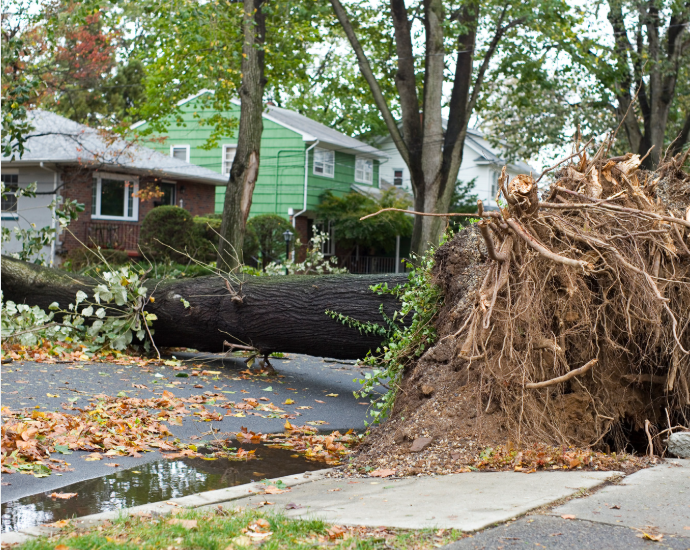
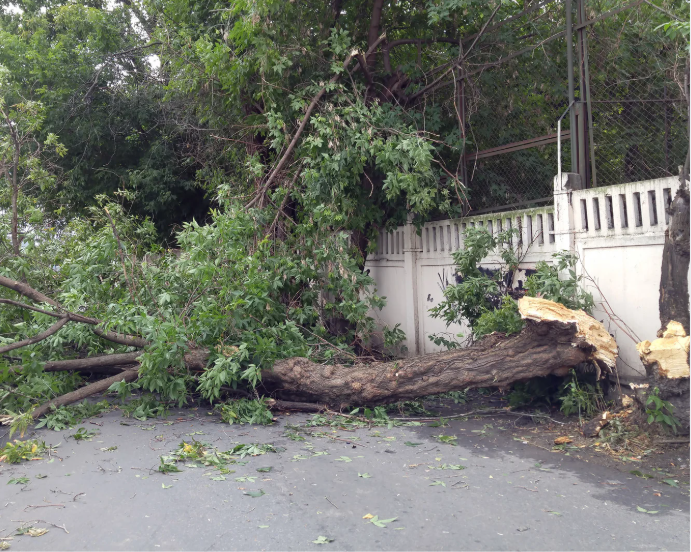
Other times, it is a heavy limb hanging over the driveway, a tree leaning toward the house, or a whole section of canopy ripped out like someone took a bite out of it.
If you are reading this right after a storm, here is the truth most people need to hear first.
You do not have to solve it all in the first hour.
Your job is to keep people safe, avoid the big mistakes that cause injuries, and get a plan for cleanup that does not make things worse.
This guide walks you through what to do first, what to avoid, how Huntsville handles storm debris at the curb, and when it is time to bring in a professional crew for emergency tree removal and cleanup.
If you need help right away, Paul Bunyan Tree Service offers 24 7 emergency service, free estimates, and no payment until work is complete.
- First, a quick reality check about storms in Huntsville
Severe weather can happen any time, but North Alabama has predictable busy windows. The National Weather Service Huntsville office notes two distinct peaks for severe weather in the Tennessee Valley, spring and fall, with the highest number of instances in March, April, and May, plus another peak in November.
That means storm related tree calls are not random. They come in waves. And when those waves hit, the people who already know what to do first usually avoid the worst headaches.
- The first 10 minutes after the storm, what to do right now
1. Look for power line danger before you step into the yard
If you see a downed line, a line hanging low, or a line touching a tree, treat it like it is live.
Alabama Power’s safety guidance is clear: stay away from downed power lines, assume they are live, and do not attempt to remove tree limbs or objects from a downed line. Call 911 for help.
Even if you are not sure it is a power line, act like it is until you know otherwise.
2. Keep kids, pets, and curious neighbors away
Storm cleanup gets chaotic fast because people want to help. That is sweet, but it is also how accidents happen.
Block the area off. Bring pets inside. Keep everyone out of the danger zone.
3. Take photos before you move things
If a limb hit a roof, a fence, a vehicle, or anything else you might file a claim on, take photos from a few angles first.
It sounds small, but it saves you so much back and forth later.
4. Do not climb on the roof to “check it out”
If the tree touched the roof, the roof might be slippery, damaged, or hiding holes. It is not worth the risk. Keep things safe and call the right people.
- What not to do after a storm, even if you are tempted
Do not cut anything that is under tension
After storms, limbs often get pinned, twisted, or bent in a way that stores energy. When you cut the wrong spot, the wood can spring back violently.
The CDC specifically warns about cutting bent trees or branches, sometimes called spring poles, because they can release suddenly with enough force to cause serious injury or death.
Do not use a chainsaw near power lines
This one is non negotiable. Even if the line is not touching the tree, wind can move branches, your ladder can shift, or your saw can kick back.
Alabama Power explains that only line clearance qualified personnel should perform tree work around power lines, and notes that an unqualified person should not work within 10 feet of overhead power lines under certain voltages, referencing OSHA and ANSI guidance.
OSHA also outlines line clearance tree trimming as work that may occur within 10 feet of energized lines under specific training and rules.
Do not pile debris in the road or on storm drains
In the stress of cleanup, people start dragging limbs anywhere. Huntsville has rules for curbside placement, including not placing debris in the road, gutter, on top of storm drains, sidewalks, or next to utility lines and boxes.
- A simple storm cleanup game plan that actually works
Step 1: Decide if this is a professional job or a homeowner cleanup
Here is a helpful way to think about it.
If any of the below are true, treat it like a professional job:
- The tree is touching power lines or near them
- A limb is hanging over the roof or driveway
- The trunk is cracked, split, or hollow
- The tree is leaning more than it used to
- The root area looks lifted or the ground is heaving
- The tree fell onto a structure, vehicle, or fence
- You would need a ladder to reach what you want to cut
If it is purely small debris on the ground and far from lines, you can usually do basic yard cleanup safely.
Step 2: Clear walkways and exits first
Start with the stuff that affects safety.
- Walkways
- Steps
- Driveway
- Gate access
- Any path you would need for emergency access
Save the “make it pretty” cleanup for later.
Step 3: Separate debris into two piles
This makes everything faster.
- Small sticks, leaves, and twigs that can go in bags or bins
- Limbs that need to be cut down to size
Step 4: Follow Huntsville’s limb length rules if you are using curbside pickup
Huntsville’s storm debris guidance says homeowners are required to cut debris into lengths no larger than five feet for pickup.
The general curbside collection guidelines also note that tree limbs cannot exceed five feet in length.
If you are going to use city pickup, that five foot detail matters.
Step 5: Know what is not included if you hire a contractor
This is a sneaky one.
Huntsville’s storm debris page states that if a homeowner engages the services of a contractor, the contractor is responsible for complete removal of debris generated by the storm event.
So if you hire a tree company, plan on their cleanup being part of the job, not something you leave for the City to handle later.
- What to do if the tree might be on city property or the public right of way
In Huntsville, there are trees that look like “your tree” but are actually in the public right of way near sidewalks, greenways, and certain street areas.
The City’s own arborist explains that if someone wants the City to remove a tree in the public right of way, they must go through his office to acquire a tree removal permit.
If you are unsure, it is worth checking before you remove anything. It can save you a lot of trouble.
- When emergency tree removal is the safest move
Some storm damage looks dramatic but is stable. Other damage looks minor and is actually dangerous.
Here are signs it is time to call for emergency removal or at least a professional assessment.
The tree suddenly leans
A new lean after a storm is a big red flag, especially if the ground is soft and the root plate is moving.
You see cracks in the trunk or major limbs
Cracks usually mean the tree structure is compromised, even if it is still standing.
The roots look lifted or the soil is buckled
When the roots shift, the tree may be on its way down, even if it has not fallen yet.
You have hanging limbs you cannot safely reach
Hanging limbs are one of the most common sources of injuries after storms because people underestimate how heavy they are.
The tree is near lines or tangled in them
At that point, treat it as a utility safety situation first, and a tree situation second.
If any of this sounds like your yard, this is where a crew like Paul Bunyan Tree Service steps in with a safe plan, proper equipment, and clean up that does not leave you with a mess for weeks.
- What a good storm cleanup service should include
Homeowners usually want three things after a storm.
- The hazard removed safely
- The yard usable again
- The cleanup handled
On Paul Bunyan’s Tree Services page, they list storm damage cleanup as part of their service offering along with tree removal, trimming, and stump removal.
That is what you want, one team that can handle the full job instead of piecing it together with separate crews.
- How to reduce storm damage before the next big system rolls through
This is the part people skip until it happens twice.
Since Huntsville sees severe weather peaks in spring and again in fall, it makes sense to plan tree trimming and inspections before those seasons hit.
A few practical prevention moves:
- Trim dead and overgrown limbs before storm season
- Thin dense canopies that catch wind like a sail
- Remove weak limbs hanging over roofs, driveways, and fences
- Have a professional check trees that have shown cracking, fungus, or hollow spots
Regular tree trimming is literally described on Paul Bunyan’s homepage as a way to reduce the risk of storm damage by removing dead or overgrown branches.
- FAQ Storm Damage Tree Cleanup in Huntsville
The City has storm debris pickup guidance and notes that homeowners must cut debris into lengths no larger than five feet.
No. Huntsville curbside collection guidelines say not to place debris in the road, gutter, on top of storm drains, sidewalks, or next to utility lines and boxes.
Stay away. Alabama Power says to treat downed lines as live, keep children and pets away, and do not remove tree limbs or objects from a downed line. Call 911.
Only if you are trained, properly protected, and not working near power lines or tensioned limbs. The CDC notes many injuries occur from chainsaw use after disasters and gives safety guidance including protective equipment and avoiding contact with power lines.
- Call to action
If your yard looks like a tornado of branches and broken limbs, you do not have to guess your way through it.
If you are in Huntsville and you need storm damage cleanup, hazardous limb removal, or emergency tree removal, contact Paul Bunyan Tree Service for a free estimate. Licensed and insured, no payment until work is complete, and the owner is involved in every job.
Request Free Estimate
Paul Bunyan Tree Service offers a proven track record of excellence, and our 32 years of experience in the industry speak volumes about our dedication and expertise.
Phone
(256) 656-6236
Serving Area
Huntsville, AL