Emerald Ash Borer in Madison County Signs, Next Steps, and What Huntsville Homeowners Should Do Now
Evan
April 30, 2026
If you have an ash tree in your yard, this is the kind of news you want early, not after the tree starts dropping limbs.
The Alabama Forestry Commission reported that after investigating dying ash trees in Jackson and Madison counties, they identified emerald ash borer as the culprit, marking the first confirmed observation of the pest in those counties.
That matters for Huntsville homeowners because ash trees often look fine until they do not. Then you get crown dieback, bark cracking, and sudden limb failures that feel like they came out of nowhere.
This guide is meant to help you do three things.
Confirm if you even have an ash tree
Know what signs to look for
Make a calm plan before it becomes a dangerous problem
If you want a professional opinion on your tree, Paul Bunyan Tree Service provides tree services in Huntsville and can help you decide whether trimming, treatment support, or removal is the safest option.
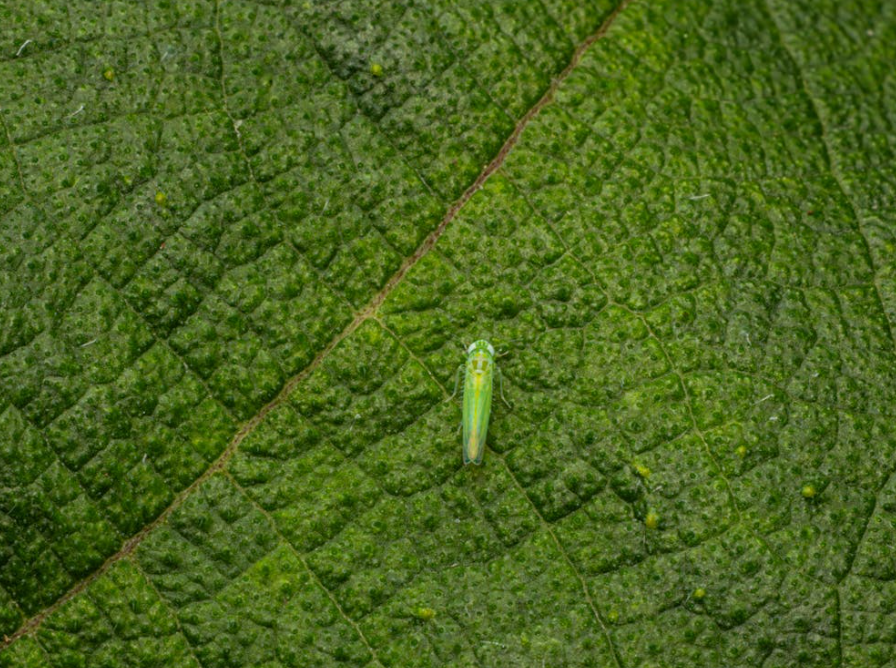
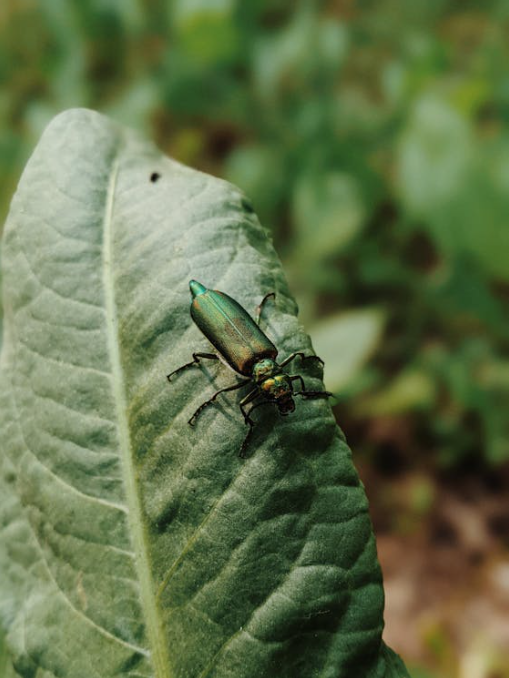
- What is emerald ash borer and why is it a big deal
Emerald ash borer is an invasive beetle from Asia that kills ash trees by laying eggs in bark crevices. When the larvae hatch, they burrow under the bark and feed, which is what causes the damage.
USDA APHIS also notes people can contribute to long distance spread when infested ash firewood, logs, or nursery stock are moved.
So yes, it is a pest problem, but it is also a planning problem. The earlier you catch it, the more options you have.
- First step, are you sure your tree is an ash
A lot of homeowners assume they have an ash because the leaves look similar to other trees.
If you are not sure, do this simple check.
Look at the leaves in season
Ash trees typically have compound leaves, meaning multiple leaflets on one stem.
Look at the branching pattern
Ash often has opposite branching, meaning branches come out across from each other, not staggered.
Look at the bark
Mature ash bark can have a diamond pattern.
If you are still unsure, take clear photos of the leaves and bark and bring them to a local extension resource or arborist.
- Signs your ash tree might have emerald ash borer
The Alabama Forestry Commission explains that emerald ash borer damage often starts at the top of the crown and proceeds downward, and many landowners do not realize there is a problem until it is too late.
Here are the big signs to watch for.
Crown dieback starting at the top
This is one of the most common early signs. The top looks thin first, then it creeps downward.
D shaped exit holes
USDA APHIS notes adult beetles emerge leaving D shaped exit holes in the bark.
Bark splitting and vertical cracks
USDA APHIS lists vertical cracks in bark as a possible symptom.
Excessive sprouts on the trunk
USDA APHIS mentions excessive branching on the trunk as a symptom.
Woodpecker activity
USDA APHIS notes woodpeckers may increase on infested trees because they feed on the larvae.
S shaped galleries under the bark
USDA APHIS describes larvae creating S shaped markings as they feed.
You do not need to be a tree expert to notice these. You just need to know what you are looking for.
- What to do if you think your ash tree is affected
This part is simple and practical.
1. Take photos
Get photos of
The full canopy
The trunk
Any bark splits
Any exit holes you can find
Any woodpecker damage
2. Stop moving firewood
USDA APHIS explicitly warns that moving infested ash firewood, logs, or nursery stock can contribute to long distance spread.
Even if you are not sure it is infested, do not move ash firewood across the county or to a different property.
3. Decide if the tree is currently a safety hazard
Here are the red flags that push it from nuisance to danger fast.
Large dead limbs over a driveway or roof
Cracks that look fresh
Leaning that is new
Dead canopy above a high traffic area
The tree is close to power lines
If any of those are true, treat it as a safety issue first.
4. Talk to a professional before you spend money on the wrong plan
The Alabama Forestry Commission notes there are treatments landowners can conduct to protect ash trees from damage, especially if caught early.
The key phrase is caught early.
If the tree is already heavily declining, treatment may not be the right investment. In those cases, removal is often the safer path, especially if the tree is near the home.
- When removal becomes the smarter option
I know nobody wants to remove a mature tree if they can avoid it. But with emerald ash borer, there is a point where the tree becomes brittle and unpredictable.
Removal is often the better call when
The top is already dead or thinning heavily
The tree is dropping limbs in normal wind
It is near a structure or fence
It is near lines
The canopy decline is moving fast
If you are in Huntsville and you want a straightforward opinion, Paul Bunyan Tree Service can help you assess risk and plan next steps.
And if removal is the answer, you can also reference their tree removal pricing factors guide to help set expectations before the estimate.
- What to do with an infested ash tree after removal
The Alabama Forestry Commission notes that infested ash trees that are cut down should preferably be burned or destroyed on site to slow dispersal of the insect.
That does not mean you personally need to burn anything. It means the handling matters, and your tree professional should have a plan for disposal that does not spread the problem.
- FAQ Emerald Ash Borer in Madison County
Is emerald ash borer confirmed in Madison County
Yes. The Alabama Forestry Commission reported the first confirmed observation of emerald ash borer in Jackson and Madison counties after investigating dying ash trees.
What is the clearest sign homeowners can spot
D shaped exit holes, crown dieback, bark splitting, and woodpecker activity are all common signs described by USDA APHIS.
Can an ash tree be saved
Sometimes, especially if caught early. The Alabama Forestry Commission notes treatment options exist, especially when caught early.
What is the biggest mistake people make
Moving ash firewood. USDA APHIS notes that moving infested firewood, logs, or nursery stock can spread the insect long distances.
- Call to action
If you have an ash tree in Huntsville and you are seeing dieback, bark cracking, or sudden limb drop, do not wait until it becomes an emergency.
Get it evaluated while you still have options.
Paul Bunyan Tree Service provides tree services in Huntsville and can help you decide whether trimming, hazard reduction, or removal is the safest next step for your property.
Request Free Estimate
Paul Bunyan Tree Service offers a proven track record of excellence, and our 32 years of experience in the industry speak volumes about our dedication and expertise.
Phone
(256) 656-6236
Serving Area
Huntsville, AL