Tree Roots Damaging Property in Huntsville, AL What Homeowners Should Know Before It Gets Worse
Evan
June 15, 2026
Tree roots are easy to ignore because most of the problem is happening underground.
You may not notice anything at first. Then one day the sidewalk looks uneven. The driveway has a new crack. The mower keeps hitting raised roots. The fence line looks pushed out. Or you start wondering if that big tree near the house is doing more than just dropping leaves.
That is when a simple tree concern turns into a property concern.
Tree roots are not trying to ruin your yard. They are doing what roots do. They search for water, oxygen, and space. But when a large tree is planted too close to a driveway, sidewalk, fence, patio, pipe, or home, those roots can eventually create expensive problems.
This guide explains what Huntsville homeowners should look for, what not to do, when trimming may help, when removal may be the safer option, and how stump grinding can help finish the job after a tree comes down.
Paul Bunyan Tree Service provides tree services, tree removal, tree trimming, stump grinding, and storm cleanup in the Huntsville area. If you are not sure whether a tree is becoming a problem, a free estimate is a smart first step.
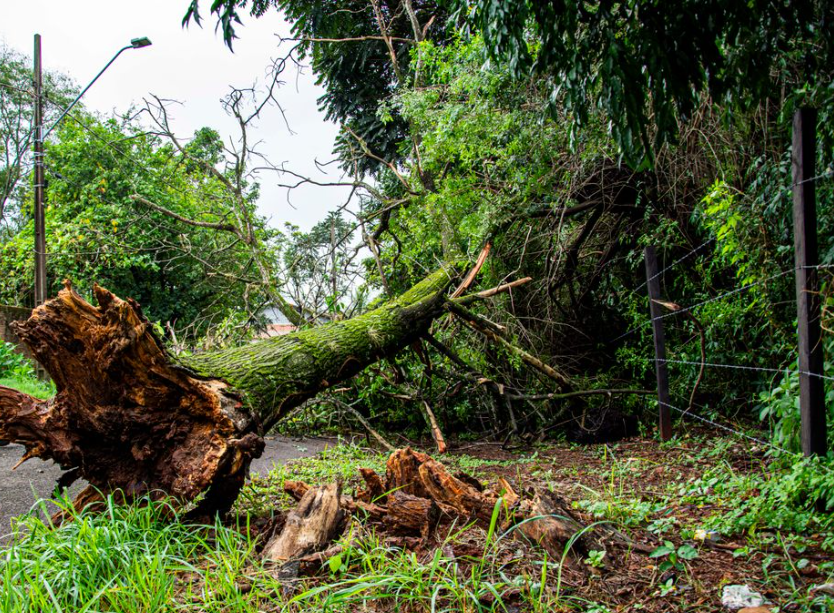
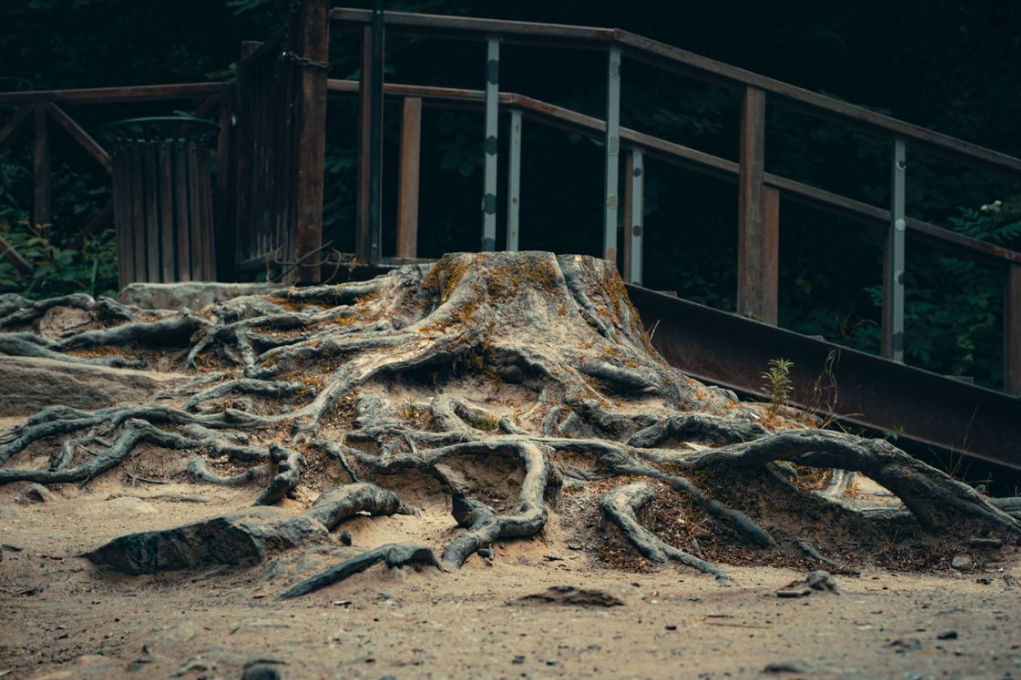
- Why tree root problems happen
Roots grow where they can survive. In compacted soil, poorly draining soil, or tight planting areas, roots may stay closer to the surface.
That is one reason surface roots can show up in lawns, near sidewalks, and around older landscape areas. Southern Living recently explained that poorly draining, heavy clay, compacted soil, erosion, and tight growing spaces near streets or buildings can make surface roots more noticeable. It also notes that exposed roots can create mowing problems, trip hazards, and make the tree more vulnerable to pests, rot, disease, and storm damage.
In plain words, roots are both a yard problem and a tree health problem.
- Common signs tree roots are damaging your property
Uneven sidewalks or walkways
If a root grows under a sidewalk, it can lift the concrete and create a trip hazard. This is one of the most visible signs homeowners notice.
A small lift might not seem urgent, but it can become a bigger liability if people walk there often.
Cracked driveways
Tree roots can push upward or create pressure under concrete and asphalt. Over time, that can lead to cracking, lifting, or uneven sections.
This is common when a large tree was planted too close to the driveway years ago, before anyone thought about what the root system would become.
Raised roots in the lawn
Surface roots can make mowing frustrating. They can damage mower blades, create trip hazards, and leave the yard looking rough.
The important thing to remember is this: cutting surface roots randomly can harm the tree.
Fence movement
Roots and trunk growth can push against fence posts, panels, and gates. You may notice the gate no longer closes cleanly or the fence line starts bowing.
A tree planted right on a fence line can also create neighbor disputes if branches, roots, or debris cross property lines.
Patio or walkway damage
Roots do not care that a patio is new. If the tree needs space and moisture, the roots may keep growing under hardscape.
Plumbing or sewer concerns
Roots are naturally drawn to moisture. If there is an older pipe with a crack, joint, or leak, roots may find their way in.
For serious plumbing concerns, homeowners should involve a plumber or utility professional. But if the source is a nearby tree or stump, a tree service may still be part of the overall solution.
- Should you cut the roots yourself
Usually, no.
Cutting roots can weaken or even kill the tree. It can also make the tree less stable, especially if the roots being cut are large or close to the trunk.
This matters a lot in Huntsville because severe weather is part of life here. The National Weather Service Huntsville office notes that severe weather in the Tennessee Valley has two distinct peaks, spring and fall, with March, April, and May containing the greatest number of severe weather instances and another peak in November.
A tree with damaged roots may become a bigger risk during wind and heavy rain.
So if the root is large, close to the trunk, or connected to a tree near your home, do not just cut it and hope for the best.
- When trimming may help
Tree trimming does not directly remove root damage, but it can help in certain situations.
Trimming may be useful when:
- The tree has heavy limbs over a damaged area
- The canopy is unbalanced
- The tree is putting too much weight toward a structure
- Branches are scraping the roof, fence, or gutters
- Dead limbs are increasing risk around a root damaged tree
Trimming is often part of a risk reduction plan, especially when the tree is otherwise healthy.
Paul Bunyan Tree Service provides tree trimming and pruning for Huntsville homeowners, and their site explains that regular trimming can remove dead or overgrown branches, promote healthy growth, and reduce storm damage risk.
- When tree removal may be the better option
Removal becomes more likely when the tree is creating damage and cannot be safely managed long term.
Tree removal may make sense when:
- The tree is too close to the house
- Roots are lifting a driveway or sidewalk badly
- The tree is damaging a fence or patio
- Roots are causing repeated problems after repairs
- The tree is declining or diseased
- Root cutting would make the tree unstable
- The tree could hit the home if it failed
- The cost of repeated repairs is higher than solving the tree problem
Nobody wants to remove a mature tree for no reason. But sometimes removal is the responsible decision because the tree is in the wrong place for the property.
- What about stump grinding after removal
If a tree comes down because of root damage, the stump should not be ignored.
A leftover stump can:
- Keep sending up shoots
- Get in the way of repairs
- Attract insects
- Make mowing harder
- Leave the yard feeling unfinished
- Continue creating obstacles near the problem area
Stump grinding helps remove the visible stump below the surface so the area can be repaired, replanted, or restored.
This is especially helpful if the tree was near a driveway, walkway, fence, or landscaping bed.
- Can root barriers help
Sometimes, but they are not magic.
Root barriers can help protect hardscapes and structures when they are installed correctly and early enough. They are often used to redirect root growth away from sidewalks, buildings, or other areas.
The better long term approach is prevention. Choose the right tree for the right spot, and avoid planting large aggressive root systems close to structures.
Southern Living notes that some trees, including silver maple, willow, poplar, tulip poplar, American elm, black walnut, sweet gum, and others, are poor choices near sidewalks because of root and maintenance concerns.
If you already have a mature problem tree, a root barrier may or may not be worth it depending on the tree, distance, damage, and cost.
- Tree roots near fences and property lines
A lot of Huntsville homeowners use trees for privacy. That makes sense, but spacing matters.
Trees planted too close to a fence can eventually cause problems through root pressure, trunk growth, overhanging limbs, trapped moisture, and constant debris.
A recent Southern Living guide on tree spacing near fences recommends considering mature size, root spread, room for maintenance, underground utilities, sewer lines, nearby structures, and property lines. It also points out that trees planted too close can damage fences through expanding roots and heavy branches.
If the tree is already mature and the fence is already shifting, a tree service can help decide whether trimming, root management, or removal makes the most sense.
- Tree roots and foundations
This is where homeowners get nervous, and understandably so.
Roots do not usually “attack” a solid foundation on their own, but they can contribute to problems when a tree is too close, soil moisture changes, or existing cracks and weaknesses are present.
If you see foundation cracking, doors sticking, moisture issues, or serious settling, talk to a foundation professional. If there is also a large tree close to the home, get the tree evaluated too.
The goal is not to blame the tree automatically. The goal is to understand the whole situation before spending money on the wrong repair.
- What homeowners should not do
Please avoid these common mistakes:
- Do not cut major roots without a professional opinion
- Do not pile a lot of soil over surface roots
- Do not grind roots randomly while trying to level the yard
- Do not ignore new cracks near a large tree
- Do not plant large fast growing trees close to sidewalks or fences
- Do not remove a tree without thinking through stump grinding and cleanup
- Do not wait until storm season if the tree is already unstable
The wrong fix can create a bigger problem than the roots themselves.
- How Paul Bunyan Tree Service can help
Paul Bunyan Tree Service can help Huntsville homeowners look at the tree side of the problem and decide what is practical.
Depending on the situation, that may mean:
- Trimming heavy limbs
- Removing dead or risky branches
- Removing a problem tree
- Grinding the stump after removal
- Helping with storm damaged or hazardous trees
- Cleaning up the area after the job is done
Their site highlights more than 32 years of experience, free estimates, owner involvement on every job, no payment until work is complete, and emergency service.
Those are important trust points when a tree problem is already affecting your home, yard, or hardscape.
- FAQ Tree Roots Damaging Property in Huntsville
Can tree roots crack a driveway
Yes. Roots can lift or push against concrete and asphalt over time, especially when large trees are planted too close to driveways or sidewalks.
Should I cut roots that are above ground
Not without a professional opinion. Cutting large roots can weaken the tree and make it less stable.
Can stump grinding remove roots too
Stump grinding removes the visible stump below the surface and may grind some nearby surface roots depending on the job. It is not the same as removing the entire root system.
Should I remove a tree that is lifting my sidewalk
Maybe. It depends on the tree, how severe the damage is, how close it is to structures, and whether repair is possible without destabilizing the tree.
Are surface roots bad for the tree
Not automatically, but exposed roots can be vulnerable to mower damage, disease, pests, and storm issues.
- Call to action
If tree roots are lifting your sidewalk, cracking your driveway, damaging your fence, or making your yard harder to use, do not guess your way through it.
Paul Bunyan Tree Service can look at the tree, explain your options, and help with trimming, tree removal, stump grinding, or cleanup when needed.
Request a free estimate and get a clear plan before the damage keeps spreading.
Request Free Estimate
Paul Bunyan Tree Service offers a proven track record of excellence, and our 32 years of experience in the industry speak volumes about our dedication and expertise.
Phone
(256) 656-6236
Serving Area
Huntsville, AL