Hazardous Trees Near Your Home in Huntsville, AL What To Look For Before It Becomes A Bigger Problem
Evan
May 15, 2026
There is always that one tree homeowners keep an eye on.
Maybe it leans a little more than the others. Maybe one big limb hangs over the roof. Maybe the roots are lifting near the driveway, or the trunk has a crack that was not there last year.
Most people do not call a tree company the first time they notice something. They usually wait. They walk past it a few times. They say, “I should probably have someone look at that.” Then a storm comes through Huntsville and suddenly that tree does not feel like a maybe anymore.
That is why hazardous tree awareness matters. Not to scare people, but to help homeowners catch problems before they turn into property damage, blocked driveways, emergency calls, or worse.
Paul Bunyan Tree Service provides tree removal, tree trimming, storm damage cleanup, stump removal, and regular tree maintenance for Huntsville homeowners. Their service page also notes that tree removal is used for hazardous or unwanted trees, and storm damage cleanup is part of their tree care work.
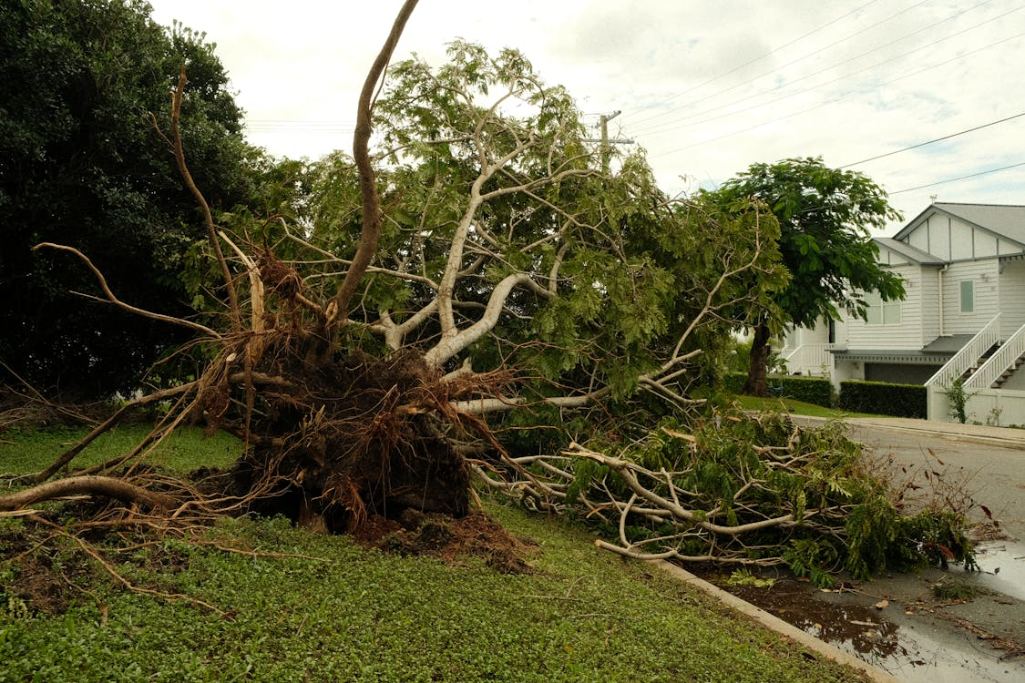
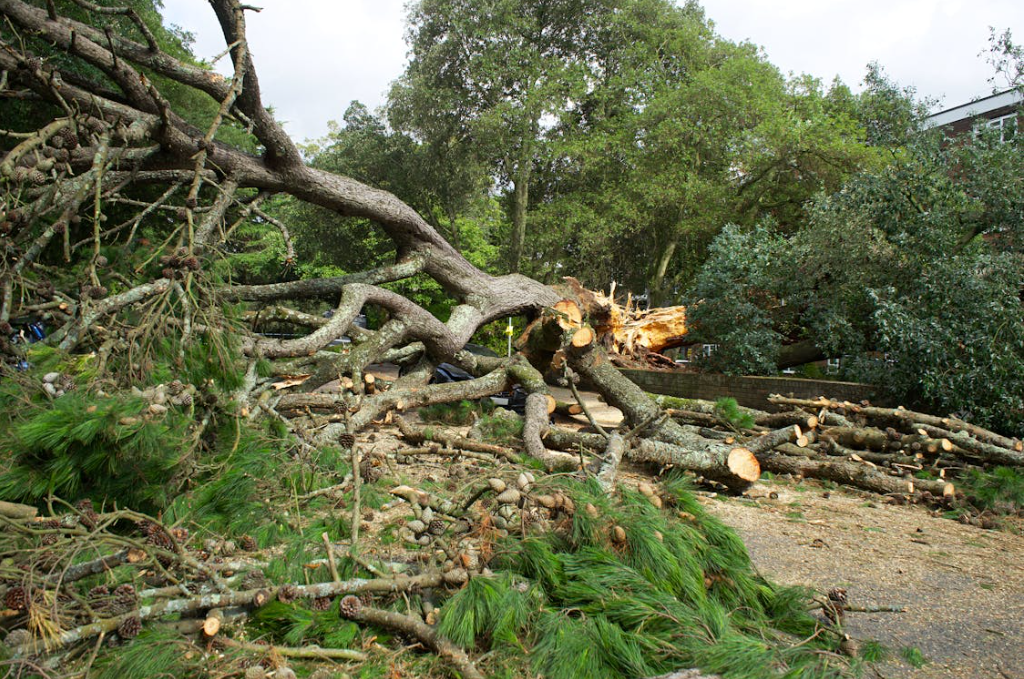
- Why hazardous trees are such a big deal in Huntsville
Huntsville has beautiful neighborhoods with mature trees, but mature trees also need attention. A tree can look strong from a distance and still have hidden problems.
The National Weather Service Huntsville office notes that severe weather in the Tennessee Valley can happen any time of year, but there are two peak seasons, spring and fall. March, April, and May see the greatest number of severe weather instances, with another peak in November.
That means tree issues in Huntsville are not just about looks. They are also about timing. A weak limb in January may become a roof problem in April. A leaning tree in September may become an emergency after a November storm.
- Warning sign 1 The tree suddenly starts leaning
A tree that has leaned the same way for years may not be urgent. But a new lean is different.
A new lean can mean the roots shifted, the soil moved, or the tree is starting to fail. This matters even more after heavy rain or strong wind because soft ground can make an already weak tree unstable.
Look near the base. If you see lifted soil, exposed roots, or cracking ground, do not ignore it.
This is the kind of situation where it is worth getting a professional opinion before the next storm system moves through.
- Warning sign 2 Large dead limbs are hanging over the roof
Dead limbs are one of the most common hazards homeowners miss because the rest of the tree still looks alive.
But dead limbs do not flex the same way healthy limbs do. They can break in wind, during rain, or sometimes on a calm day without much warning.
Pay extra attention to limbs over:
- Roofs
- Driveways
- Fences
- Play areas
- Parking spots
- Walkways
- Outdoor seating areas
Paul Bunyan’s homepage explains that regular tree trimming removes dead or overgrown branches, promotes healthy growth, and reduces the risk of storm damage.
That is exactly why trimming should not be treated as cosmetic only. Sometimes trimming is the difference between a manageable maintenance job and a storm cleanup call.
- Warning sign 3 There are cracks in the trunk or large limbs
A crack in the trunk is one of those things that deserves attention right away, especially if it is deep or appears after a storm.
Cracks can mean the tree is splitting under its own weight. They can also show up where two large stems join together. Those weak attachment points can fail when wind pushes against the canopy.
A small surface split is not always an emergency, but a deep crack, open seam, or widening split should be looked at.
- Warning sign 4 Mushrooms or decay are showing at the base
Mushrooms at the base of a tree can sometimes point to decay in the root system or lower trunk. Not every mushroom means the tree is doomed, but it should make you pay attention.
Other decay clues include:
- Soft wood
- Hollow areas
- Bark falling off
- Sawdust like material
- Insects around damaged sections
- Dark staining on the trunk
The tricky thing is that trees can stand for a while even when decay is present. Then one storm exposes the weakness fast.
- Warning sign 5 The canopy looks thin on one side
A tree with a thinning canopy might be stressed, diseased, damaged, or losing root support. Sometimes one side dies back first because that side has root damage, soil compaction, or hidden injury.
Do not just look at the trunk. Step back and look at the whole shape of the tree.
Ask yourself:
- Is one side much thinner than the other
- Are branches dying from the top down
- Did the canopy change quickly this season
- Are dead branches increasing
A thinning canopy does not always mean removal, but it does mean the tree needs attention.
- Warning sign 6 The tree is too close to the house
Some trees were planted when they were small and cute. Years later, they are brushing the roof, hanging over gutters, pushing against siding, or dropping branches right next to the house.
A tree close to the home is not automatically dangerous, but it creates more risk when the tree has weak limbs, poor structure, or storm damage.
If a tree is close enough to hit the house if it fails, that changes the conversation.
Tree trimming may be enough. Sometimes selective pruning can reduce weight and improve clearance. Other times, especially with dead or declining trees, removal may be the safer long term move.
- Warning sign 7 The tree was damaged in a storm and never checked
This happens all the time.
A storm breaks a few limbs. The homeowner cleans up what fell. The tree looks okay from the ground. Life moves on.
But storm damage can leave hidden cracks, hanging limbs, weak branch unions, and torn bark. Those damaged areas can get worse later.
The CDC warns that the risk of chain saw injuries increases after disasters when people are removing fallen or partially fallen trees and branches, and it recommends trained and experienced chain saw operators for that work.
That is a good reminder that storm damaged trees can be more complicated than they look.
- What homeowners should not do
I know it is tempting to grab a ladder and a saw when a branch looks reachable. But some tree situations are not worth the risk.
Avoid doing these:
- Do not climb a damaged tree
- Do not cut limbs under tension
- Do not stand under hanging branches
- Do not use a ladder on uneven ground
- Do not cut near power lines
- Do not try to pull a leaning tree with a vehicle
The CDC specifically warns about bent trees and branches that are under tension because they can release suddenly with enough force to cause serious injury or death.
If something looks twisted, pinned, cracked, or hung up, leave it alone and call someone who handles that work safely.
- When tree removal makes more sense than trimming
Tree trimming is great when the tree is healthy enough to keep. But there are times when trimming only delays the real problem.
Removal may be the better option when:
- The tree is dead or mostly dead
- The trunk is cracked badly
- The tree is leaning toward the home
- Roots are lifting and the ground is shifting
- Decay is present near the base
- Large limbs are failing repeatedly
- The tree is too close to a structure and declining
Paul Bunyan Tree Service states that professional tree removal is necessary when a tree becomes a hazard or is no longer viable, and that their team can remove trees of any size and handle emergency situations.
- What to expect when you call Paul Bunyan Tree Service
Most homeowners do not want a complicated sales pitch. They want someone to look at the tree, explain what is going on, and tell them what needs to happen next.
Paul Bunyan Tree Service highlights several trust points that matter for this type of work, including more than 32 years of experience, owner involvement on every job, no upfront payments, free estimates, fast response, and emergency tree removals.
Their tree services page also notes that the company is licensed and insured, focuses on safety, follows OSHA compliant safety guidelines, and keeps clean job sites.
That is the kind of thing homeowners care about when a tree is sitting close to the house.
- FAQ Hazardous Trees in Huntsville
How do I know if a tree is dangerous
Look for new leaning, cracks in the trunk, large dead limbs, lifted roots, decay near the base, and sudden canopy thinning. If the tree can hit your home, driveway, fence, or walkway, it is worth having it checked.
Should I remove a tree before storm season
If the tree is already dead, leaning, cracked, or dropping large limbs, yes, it is smart to get it evaluated before storm season. Huntsville has severe weather peaks in spring and fall, so waiting can turn a manageable job into an emergency.
Can trimming fix a hazardous tree
Sometimes. If the tree is healthy but overgrown, trimming can remove dead limbs, reduce weight, and improve safety. If the tree is structurally failing or mostly dead, removal may be safer.
Is tree removal worth it if the tree has not fallen yet
Usually, yes, if the risk is clear. Waiting until a tree falls can mean roof damage, fence damage, blocked access, emergency pricing, and a much more stressful cleanup.
- Call to action
If you have a tree in Huntsville that keeps making you nervous, do not wait for the next storm to prove you right.
Paul Bunyan Tree Service can inspect the situation, explain the safest options, and help with trimming, hazardous tree removal, storm cleanup, and stump grinding when needed. Request a free estimate and get a clear plan before the problem gets bigger.
Request Free Estimate
Paul Bunyan Tree Service offers a proven track record of excellence, and our 32 years of experience in the industry speak volumes about our dedication and expertise.
Phone
(256) 656-6236
Serving Area
Huntsville, AL